

Jamie is a production
animal veterinarian
for Vetlife Central Otago.
Tailing is underway already for some, and demand for pain relief at painful procedures keeps growing, not just for merino contracts. Best practice is for all lambs to get some form of pain relief. As an industry we are working through what methods are both effective and safe, and there’s no one easy answer yet. This year, your vet will sit down with you to work out the right approach for your farm.
Methods used across the country in 2025 included subcutaneous injections of non-steroidal pain relief (NSAIDs) and local anaesthetic (Local) applied directly for castration. Local injections are difficult to use effectively in the tail. While most farms saw no issues, there were a few cases where lambs became unwell or even died after tailing. Investigations of these cases found possible links with NSAIDs and dehydration/mis-mothering. While our weight surveys showed a wide variation in lamb weights, this seemed less of a factor than time spent being mustered and in the yards. While pain relief is a good target, we need to prioritise safety for lambs.
What this means for you: Expect a proper conversation with your vet, covering your yards, staffing, timing and options, before tailing. We expect more farms might choose local anaesthetic as an option this season, either with the Numnuts ®device or directly using a vaccinator gun.
You will be asked to read and sign a consent form. We strongly recommend the following:
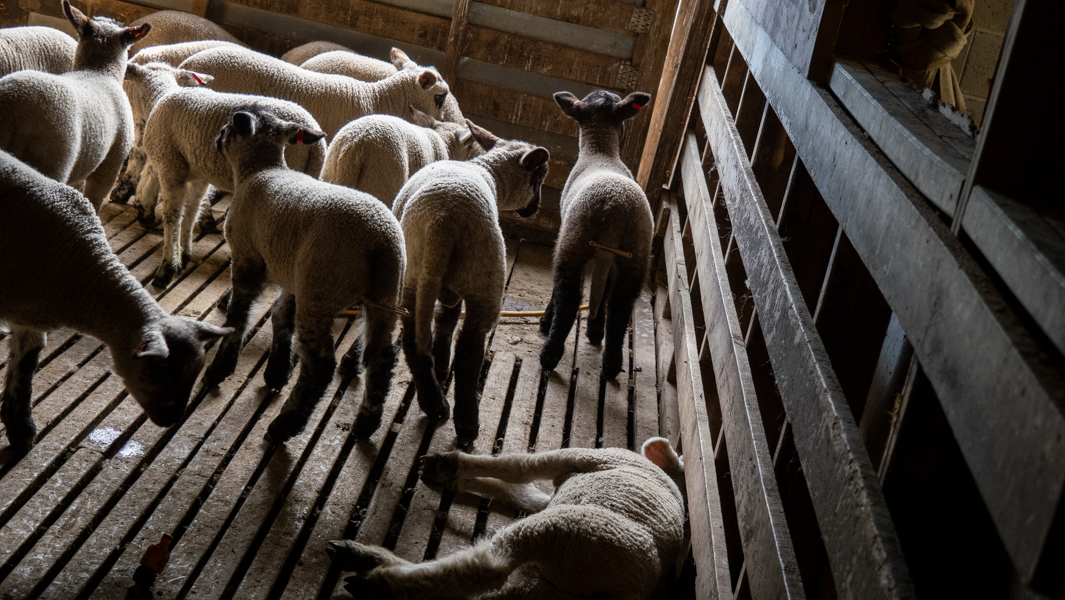
Reduce risk by keeping holding times short, limiting mis-mothering and ensuring that staff are trained and supervised.
Watch closely for 48 hours: Adverse reactions are rare and usually appear within 48 hours. If you suspect one, call the clinic immediately.
In collaboration with Agilis, we are trialling biodegradable castration clips this season. They look promising but aren’t a permitted tailing method yet. Ask us if you’d like to try them or to see a Numnuts device on-farm.
Talk to your vet early. Ideally, book your pain relief planning before your tailing date.


