
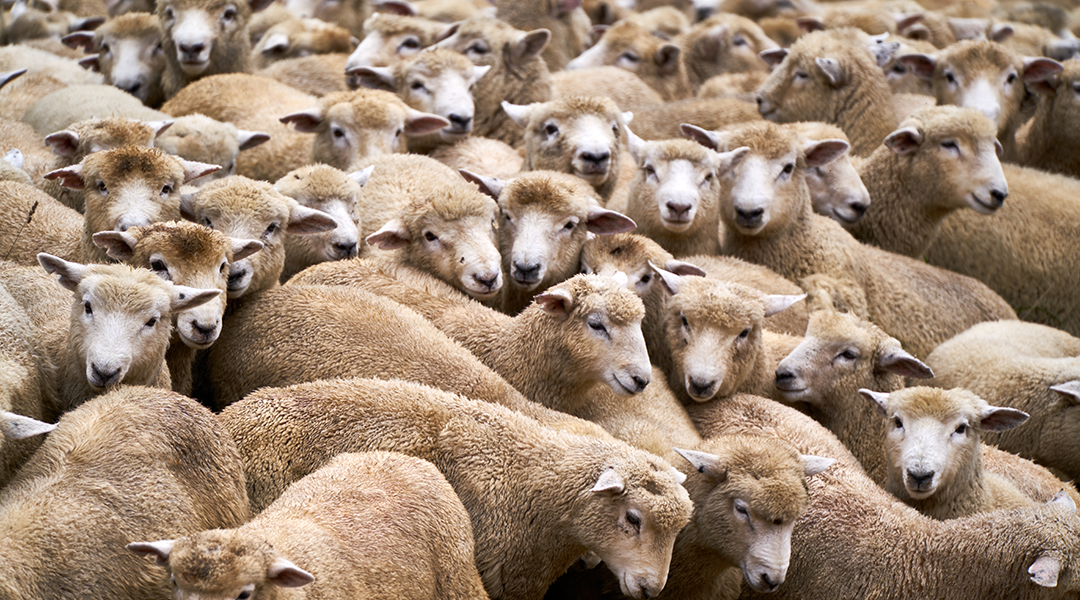

Euan is Vetlife veterinarian who works across Central Otago.
Quarantine drenching is not a new concept, but with ever-changing populations of worms and an increase in drench resistance (even against novel drenches), the products we use and how we use them must evolve. It is estimated that the overall industry impact of drench resistance equates to $110 million, and on a typical 4,000 sheep farm, as much as $81,000 is lost through the combined effects of growth losses, wasted drenches and increased feed demand.
The quickest way to get resistant worms on your property is to buy them in, and the aim of a quarantine drench is to prevent this. Novel drenches (Startect® or Zolvix™Plus) have traditionally been used as the best-practice quarantine drenches, but, as mentioned, resistance against these products is also increasing.
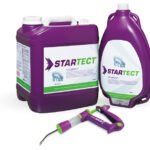
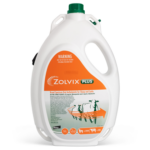
The new gold-standard quarantine drench is a four-way drench. This means combining a novel drench – either Startect (derquantel plus abamectin) or Zolvix Plus (monepantel plus abamectin) with a BZ/levamisole combination drench (e.g. DualForce), which has the added benefit of five key trace elements, copper, selenium, cobalt, zinc and iodine. The two drenches are given separately, in two passes down the race. Adding the other two actives reduces pressure on the novel drench, increasing the chance of a complete clean-out on arrival at the farm. The trace elements in DualForce will also support animal health and resilience to worm burden.
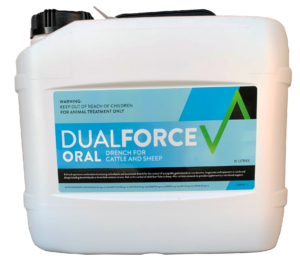
This does not only apply to sheep. With the more intensive nature of dairy-calf rearing, parasite resistance is also building in this area. Both Zolvix Plus and DualForce are registered for cattle as well, and strong consideration should be given to a four-way drench for any bought-in R1 dairy animals.
Protocol is a key part of the quarantine drench process. A highly effective quarantine drench will knock out the adult and immature worms in the gut within hours after dosing; however, it may take much longer for the eggs already laid to pass out of the animal.
Ideally, animals should be held on bare yards for 24-48 hours with plentiful water and feed. Eggs that are passed and hatch into larvae have no moisture and no grass sward to live in, so they die. If feasible, organising a quarantine drench before leaving the property of origin would be a great way of reducing the number of eggs being passed on to your property.
If bare yards are not feasible, a specific quarantine paddock is the next best option for where to drench bought-in animals. Ideally this should recently have been grazed by young animals, to provide good levels of refugia for any eggs that do pass out. The quarantine paddock should then be spelled for a period (10-12 weeks) and subsequently grazed by a different species (e.g. cattle following bought-in lambs). As always, faecal egg counts are an invaluable tool – a post-drench egg count 10-14 days later will let you know how effective the drench has been.
For any more information around parasites and best-practice drenching policies, please contact your local Vetlife team.


