
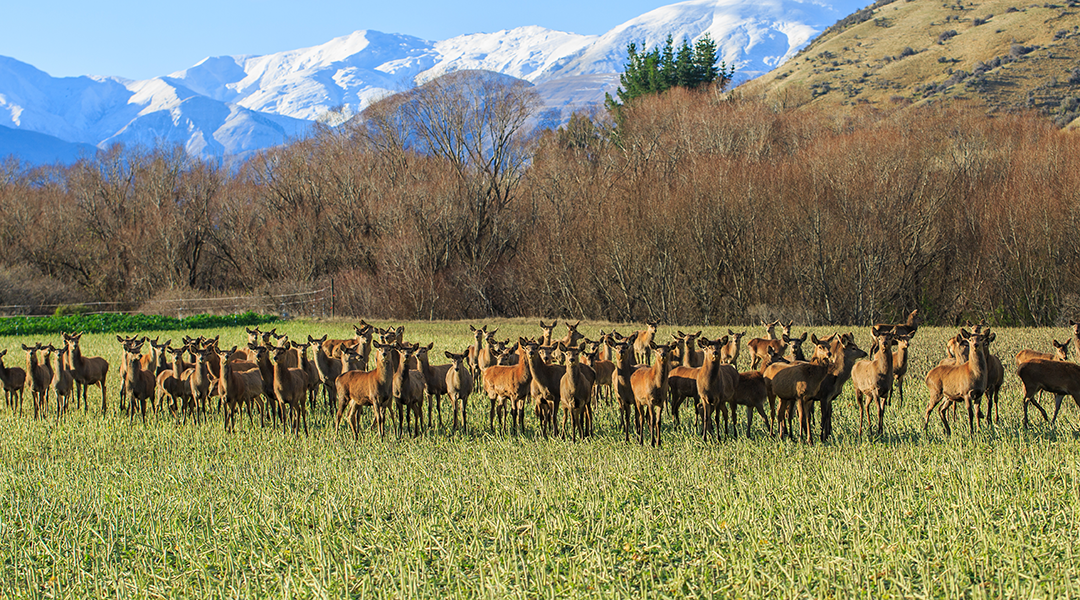
As winter tightens its grip, feed quality and availability drop, just as stags are coming off a nutritionally demanding period, and as hinds are heading into an increased requirement for foetal growth as well as setting themselves up for lactation during summer. Even when bodyweight does not change much through winter, the right balance of energy, protein and minerals is critical to maintain condition, support immunity and set animals up for strong velvet growth and healthy fawns in spring.
The rut is a costly time for stags. Voluntary reduced feed intake, increased movement and high stress commonly strip fat reserves and leave animals running on a nutritional deficit. Through winter, the goal is to restore energy status and muscle tone while keeping the rumen stable. A stag can look settled, yet still be short of the fuel and nutrients needed to support immune function over the winter and to prepare adequately for velvet initiation and growth as day length increases from late August.
Prioritise consistent energy: winter pasture can be bulky but low in usable energy. Where needed, add supplementary feed gradually to avoid digestive upset.
For hinds, winter nutrition is about more than holding condition. Pregnancy places a steadily increasing demand on energy, protein and key minerals, with requirements rising most sharply in late gestation as foetal growth accelerates. If a hind is short through this period, she may still carry to term, but the hidden costs can show up as lighter calves, slower early growth, poorer milk production and a harder recovery post-calving. Replacement fawns’ future productivity can also be impacted by poor nutrition. Mammary tissue development of the foetus starts occurring at about two months of gestation, and there is a significant influence on mammary development in the fawn for two months before and two months after birth – the da’s nutritional status is therefore going to play a significant role in the future production of replacement hinds.
Mineral needs do not stop in winter – if anything, shortfalls are more likely because intake can be limited and forage mineral content can be variable, plus there is possibly greater antagonisation due to low pasture covers and the likelihood of more soil exposure. Getting minerals right supports bone development, immune function, fertility, and (in stags) the foundations for antler/velvet growth. The best programme is one that matches your forage, soils, water and class of stock – so consider testing pasture/supplements and working with your veterinarian.
In practical terms, minerals can be delivered in a multitude of ways. The “best” option is the one whereby animals will be reliably supplemented at the intended rate. Talk with your veterinarian about testing to see what may be needed and the best method for correcting any deficits that might be identified.
Nutrition and animal health go hand-in-hand. When feed is tighter and animals are under more pressure (post-rut stags, pregnant hinds, young stock), small health issues can quietly erode performance. Winter is often a practical time to review your herd health plan with your veterinarian and to line up any treatments so that animals are set up for spring.
Whatever you choose, keep records (date, mob, product, dose rate, withholding) and build treatments into a whole-farm plan rather than one-off fixes.
A well-fed winter herd does not necessarily look “fatter” – it looks settled, resilient and ready. By targeting energy first, supporting protein for repair and growth, and keeping a sensible mineral programme in place, you give stags the platform to express velvet potential and help hinds deliver strong, vigorous fawns when spring finally arrives.