
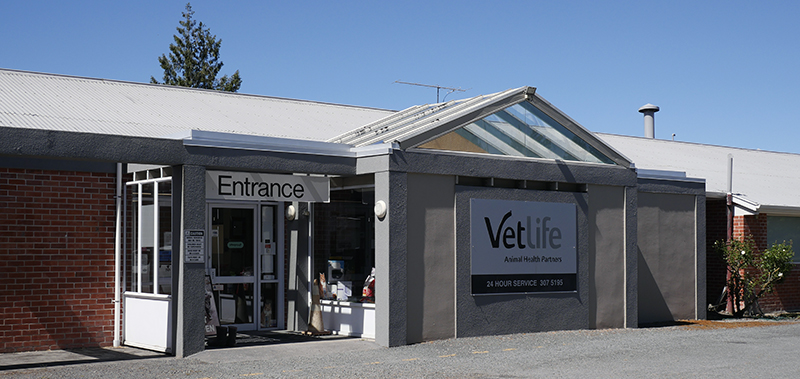
The story behind Ashburton’s new clinic is bigger than a building. It is a modern chapter in one of rural New Zealand’s smartest community models.
Construction fencing has gone up at Vetlife Ashburton. Older parts of the site are being cleared, access is changing and the scale of the work is now obvious to anyone driving past. What is less obvious is the ownership story behind it. The Central South Island Veterinary Club owns the site and is leading and funding the new development. Vetlife is the tenant, the veterinary service provider and the project manager on the Club’s behalf. That distinction matters. This is not simply another corporate property project. It is a community-founded organisation investing in the infrastructure needed to keep strong veterinary services in the district for the long term.
Vet clubs were established by farming communities across New Zealand in the middle of the last century to solve a practical problem. Rural areas needed veterinarians, but many communities did not have the facilities or scale to attract and support them. Farmers pooled resources, established clinics and recruited veterinarians, including many from overseas. In simple terms, communities built the veterinary capability they needed rather than waiting for someone else to provide it. Many of those original clubs have since disappeared or changed form. The Central South Island Veterinary Club has endured. Its role has evolved from helping establish veterinary services to providing and maintaining the property and infrastructure that allows those services to continue.
Today the Club owns several clinic properties leased to Vetlife. It takes a long view of those assets, maintaining and improving them so local veterinary teams can keep working from facilities that meet changing client, animal and staff needs.
The existing Ashburton building was highly modern in its day and has been extended and refurbished over several decades. It has done its job well, but time, seismic requirements and changing veterinary practice have caught up with it. Parts of the building no longer meet current seismic and operational requirements. The layout also reflects an earlier era of veterinary care, before today’s workflows, equipment, client expectations and team needs. The replacement has been considered for several years. COVID disruption, escalating construction costs and wider organisational changes all affected the timing. Once the Vet Club confirmed it was ready to proceed, the project moved quickly into site works. The new clinic is being built alongside the existing building. That allows Vetlife Ashburton to continue operating during construction, although clients and staff will see fencing, demolition and temporary changes to access as work progresses.
The relationship between Vetlife and the Vet Club is technically a landlord and tenant arrangement, but that description undersells it. The Club takes a long-term view of veterinary services and regularly invests in improvements that a conventional commercial landlord might not. For Vetlife, the result is access to fit-for-purpose facilities without pretending every clinic building is owned by the veterinary business. For local communities, it preserves the link between the infrastructure and the purpose it was created to serve.
“The existing clinic has served Ashburton well, and there is a lot of history attached to it. We are grateful to the Vet Club for taking the long view and investing in a facility that will help our team keep delivering high-quality veterinary care for the community.”
Dr Adrian Campbell, Managing Director Vetlife
The Ashburton build is the latest expression of a model created by farmers generations ago: identify the capability the community needs, invest for the long term and leave something useful for the people who come next. The building will be new. The thinking behind it is not. That may be the strongest part of the story.


