Wearable technology provides dairy farmers with a constant stream of information on rumination, activity and health. However, having more data does not automatically make decision-making easier. Without meaningful interpretation, the volume of information can quickly become overwhelming. The real value lies in turning that information into practical management decisions.
Last season, one dairy farm used wearable monitoring and regular veterinary consultations, supported by CowSmart reports, to better understand how cows were recovering after calving. Rather than waiting for changes in milk production or reproductive performance to reveal a problem, the farmer and veterinarian used rumination trends to assess how well cows were adapting to early lactation.
The reports highlighted that several groups of recently calved cows were consistently spending less time ruminating than expected. Reduced rumination during this period can indicate that cows are struggling to adapt to the nutritional and metabolic demands of early lactation.
Using these insights, the farmer and veterinarian developed a targeted action plan, making changes to transition nutrition and management. The reports then became an objective way of monitoring whether those changes were improving cow recovery.
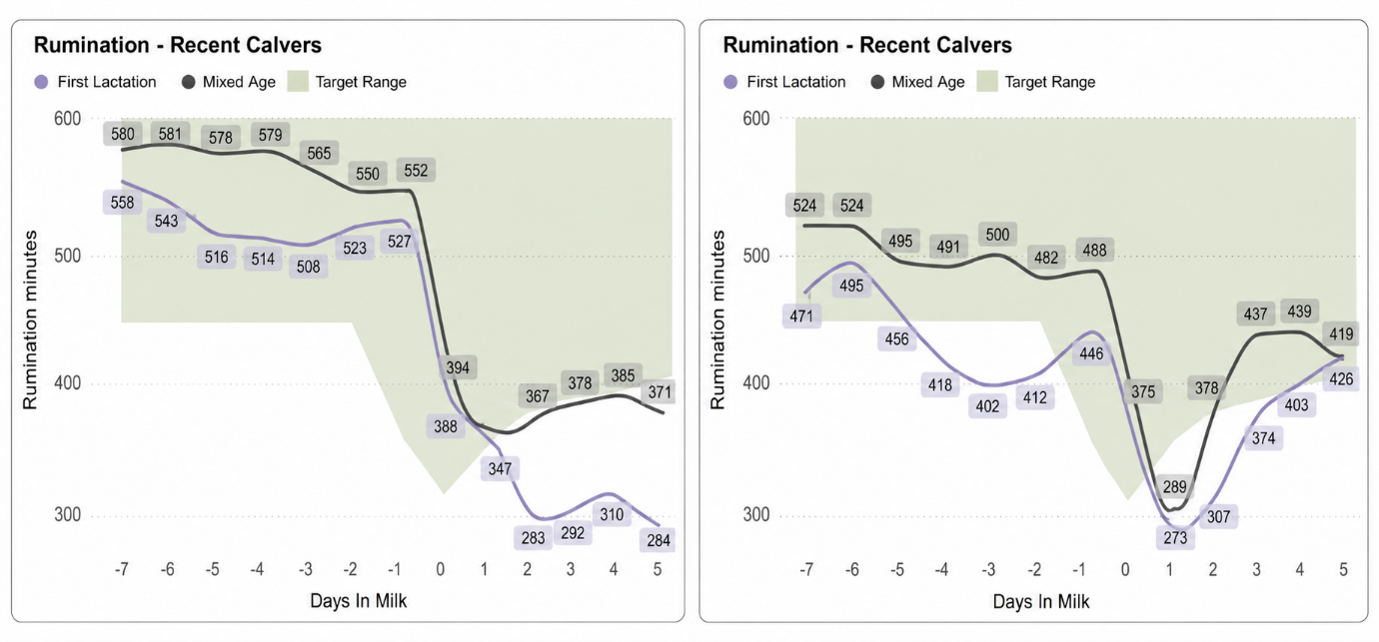
Figure 1. Rumination trends before and after management changes
The graphs above show average rumination for recent calvers before (left) and after (right) management changes.
“The reports gave us confidence that we were making the right decisions. We could sit down with our vet each week, review how the cows were responding, and decide together if we needed to make further changes. It took the guesswork out of the process,” the farmer said.
Within days, rumination trends began moving in the desired direction. While not every group immediately reached the target range, the improvement confirmed that the herd was responding positively.
The improvements extended beyond the transition period. Better recovery after calving supported stronger herd performance throughout the season, contributing to good reproductive outcomes, healthier cows and improved productivity.
The value of wearable technology lies not in generating more data, but in making that data meaningful. Regular reports, combined with veterinary interpretation, provide a clear overview of herd performance, helping farmers focus on the issues that matter most, make informed management decisions, and measure the impact of those decisions over time.
Key takeaway:
A dairy farm using wearable cow-monitoring data, CowSmart analysis and regular veterinary review improved transition-cow performance by turning rumination trends into practical decisions on nutrition, recovery and early-lactation performance.