
According to Vetlife veterinarians, maintaining a healthy weight and supporting joint health are the most effective ways to keep pets mobile and comfortable as they age. In our experience across New Zealand clinics, gradual weight gain and subtle stiffness are very common but often missed early. If you notice your pet slowing down, a simple weight and mobility check allows us to identify issues early and create a tailored plan.
Pets don’t suddenly become less active overnight. Most weight and mobility changes happen gradually, which means they’re easy to overlook until they start affecting your pet’s comfort and quality of life. The earlier we identify changes, the easier it is to support your pet with simple, practical adjustments.
Weight refers to whether your pet is at a healthy body condition, while mobility relates to how easily and comfortably they move. These two factors are closely connected, as excess weight places additional strain on joints, muscles, and overall movement.
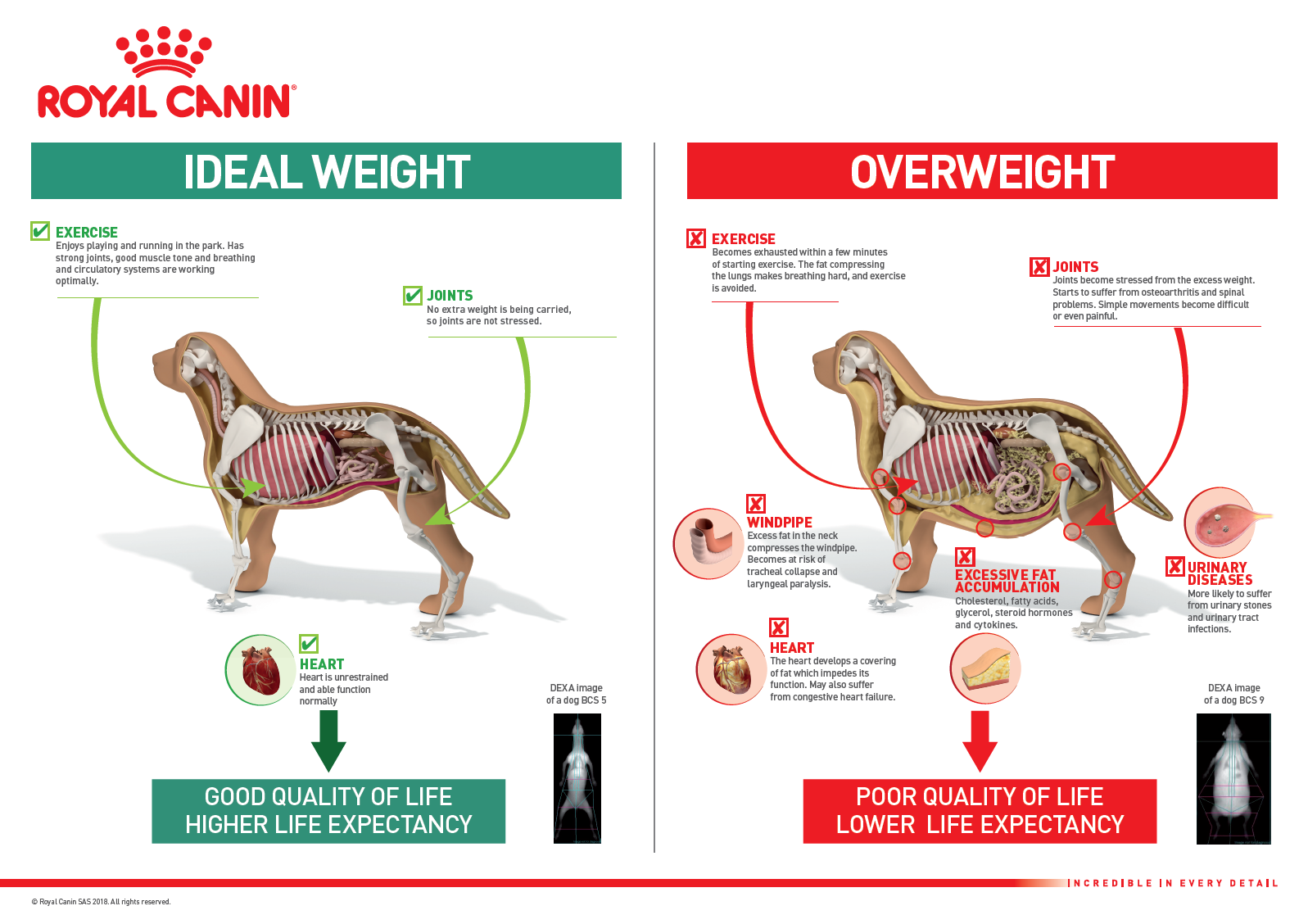
Maintaining a healthy weight is one of the most important factors in your pet’s long‑term health. When pets become overweight, it can:
Even small increases in weight can have a noticeable effect on how your pet moves and feels day to day.
Most cases develop gradually through a combination of factors:
Often, pets enter a cycle where weight gain reduces activity, which then leads to further weight gain and increased joint strain.
For more on feeding and nutrition, see our guide to Nutrition for cats and dogs.

It’s worth checking your pet if you notice:
Vetlife insight Across our clinics, we regularly see pets presented for “slowing down” that are actually experiencing early-stage weight gain or joint discomfort. In many cases, simple changes – such as adjusting diet, introducing weight management plans, or providing joint support – can significantly improve comfort within a short time. This is why we focus on early, proactive checks rather than waiting for more obvious symptoms.
You can do a quick assessment between visits:
Book a check if:
Even small changes are worth checking – early support can make a big difference.
If you can’t easily feel their ribs, or they lack a visible waist, they may be overweight and would benefit from a weight assessment.
Yes. Extra weight increases pressure on joints, which can accelerate discomfort and mobility issues over time.
Not always. While ageing plays a role, many mobility issues can be improved or managed with early intervention.
This depends on your pet’s needs, but weight management and joint-support diets are often recommended.
We recommend regular weight and mobility checks, particularly for adult and senior pets, or if any changes are noticed.
Related pages: Nutrition for cats and dogs


